Learn even more on our scientific impact on the wiki
You'll get a form where you can tell us about your scientific reuse.
Wiki page (English)Science-based, and helping Science
วิทยาศาสตร์คือหนึ่งในเสาหลักสำคัญของ Open Food Facts จากการก่อตั้งในปี 2012 Open Food Facts พึ่งพาผลงานทางวิทยาศาสตร์ที่ผ่านตรวจสอบโดยผู้เชี่ยวชาญเช่น Nutri-Score และ NOVA เพื่อให้ความรู้แก่สาธารณะผ่านการทำให้สิ่งเหล่านี้เข้าถึงผู้คนมากมายทั่วโลกได้ เรายังยินดีอย่างยิ่งและภูมิใจที่พบเห็นนักวิทยาศาสตร์นำข้อมูลของเรากลับมาใช้เพื่อผลักดันองค์ความรู้ทางด้านวิทยาศาสตร์ให้ก้าวไปข้างหน้า เราชอบที่ได้มีส่วนร่วมกับทีมวิจัยเพื่อดูว่าพวกเขาสามารถคิดค้นสิ่งใดขึ้นมาแล้วเราจะสามารถช่วยเหลือพวกเขาได้อย่างไรบ้าง
หากคุณกำลังใช้หรือกำลังพิจารณาการใช้ Open Food Facts เป็นส่วนหนึ่งของโครงการวิทยาศาสตร์ โปรดแจ้งให้เราทราบได้ที่ contact@openfoodfacts.org

พบกับทีมวิจัย EREN
เรามีโอกาสได้เจอกับ ทีมวิจัย EREN เพื่อทำความเข้าใจเรื่องความต้องการทางวิทยาศาสตร์และการปรับปรุงที่พวกเขาต้องการต่อ Open Food Facts
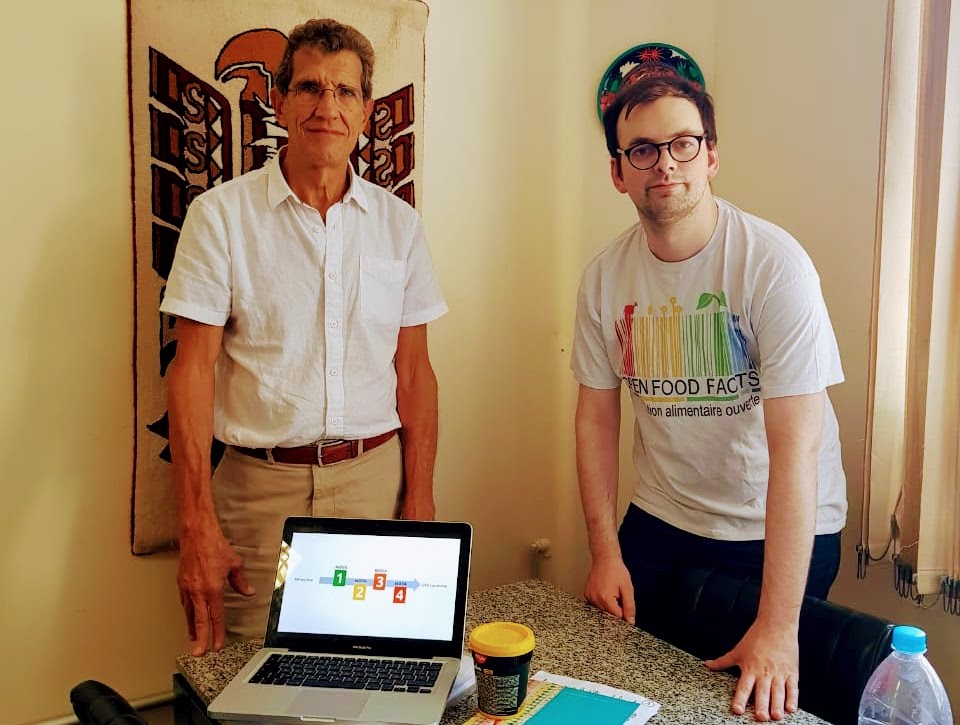
Meeting Pr.Monteiro, the creator of NOVA
We got to meet Pr. Monteiro at Faculdade de Saúde Pública da USP, part of the team creating nutritional guidelines for Brazil, and creator of the NOVA groups on food processing.

Collaboration with the Liege University
The nutrition team of the Liege University is running a Scan Party in Belgium to constitute a database to support their research, and enable benchmark across countries.
Collaboration with the Mexico research team
The team of the Fundación Franco-Mexicana para la Medicina is running a massive Scan Party in Mexico to constitute a database to support their research, and enable benchmark across countries.
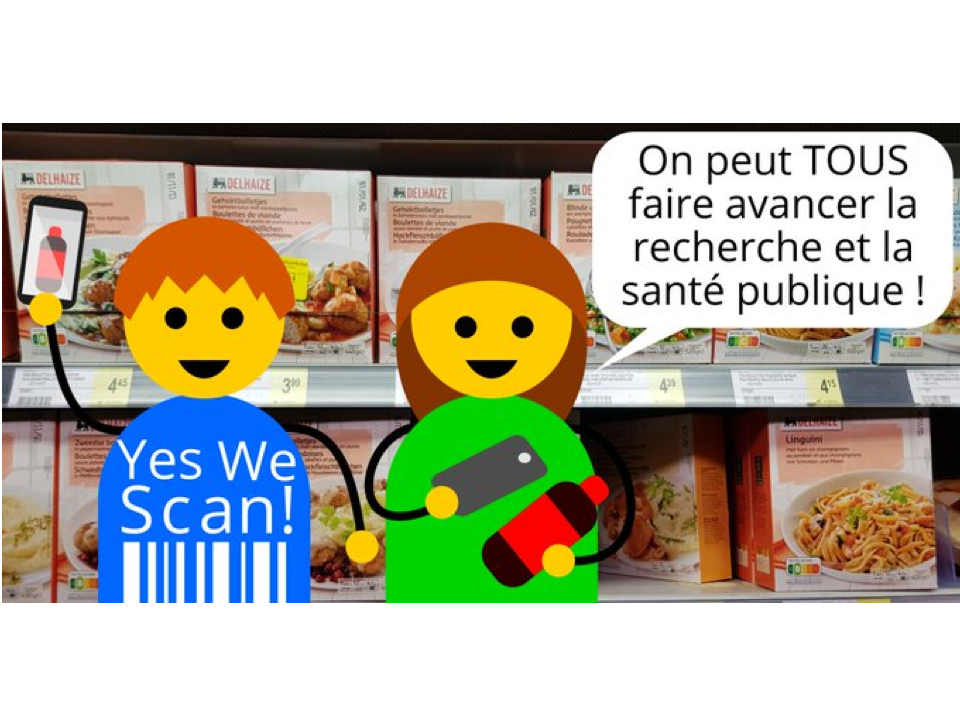
With the help of powerful tools & the Open Food Facts community
Open Food Facts has many tools to allow you creating data at large scale, using crowdsourcing.
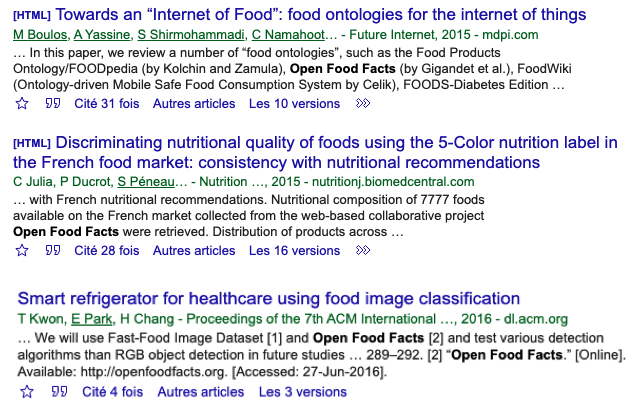
Measurable scientific impact
Many publications use and cite Open Food Facts, both in nutrition and other research areas. สำรวจสิ่งพิมพ์ทางวิทยาศาสตร์ที่อ้างอิง Open Food Facts
A huge open crowdsourced database of food products, the Wikipedia of food
Since 2012, thousands of people from our international community have been contributing with product data, as well as updating it & improving its quality. Since 2019, we've also started using AI (machine learning) trained to recognise images, logos, and extract text from images to improve the database further.
-บนพื้นฐานวิทยาศาสตร์และให้บริการวิทยาศาสตร์ตั้งแต่ปี 2012-
Open Food Facts has become a very useful resource for researchers worldwide who use our food data for some major studies on nutrition or the environment. State research teams have also benefited from this digital commons tool.
In addition to making raw product data freely available to all scientists worldwide, we structure and analyze the data to make it much more directly useful for their research. We also work directly with research teams to understand how we can answer their needs, and to make the results of their research instantly available to all other researchers.
Transparency accelerates scientific research and cooperation to gain new knowledge
Open Food Facts has been cited as a source in over 600 scientific papers (over 500 on Google Scholar). Science being one of our pillars, Open Food Facts also uses peer-reviewed scientific research to inform the public, such as the Nutri-Score and NOVA group, and makes it accessible to a very large number of people worldwide.
"Given the major public health challenges linked to nutrition that we are facing today on a global scale, it is essential to promote the consumption of a diet that is more conducive to good health. In this context, a digital database containing information on the various health aspects of food (nutritional composition, degree of processing, additives, etc.) is an essential tool for public health research and action."Professor Serge Hercberg - creator of the Nutri-Score